

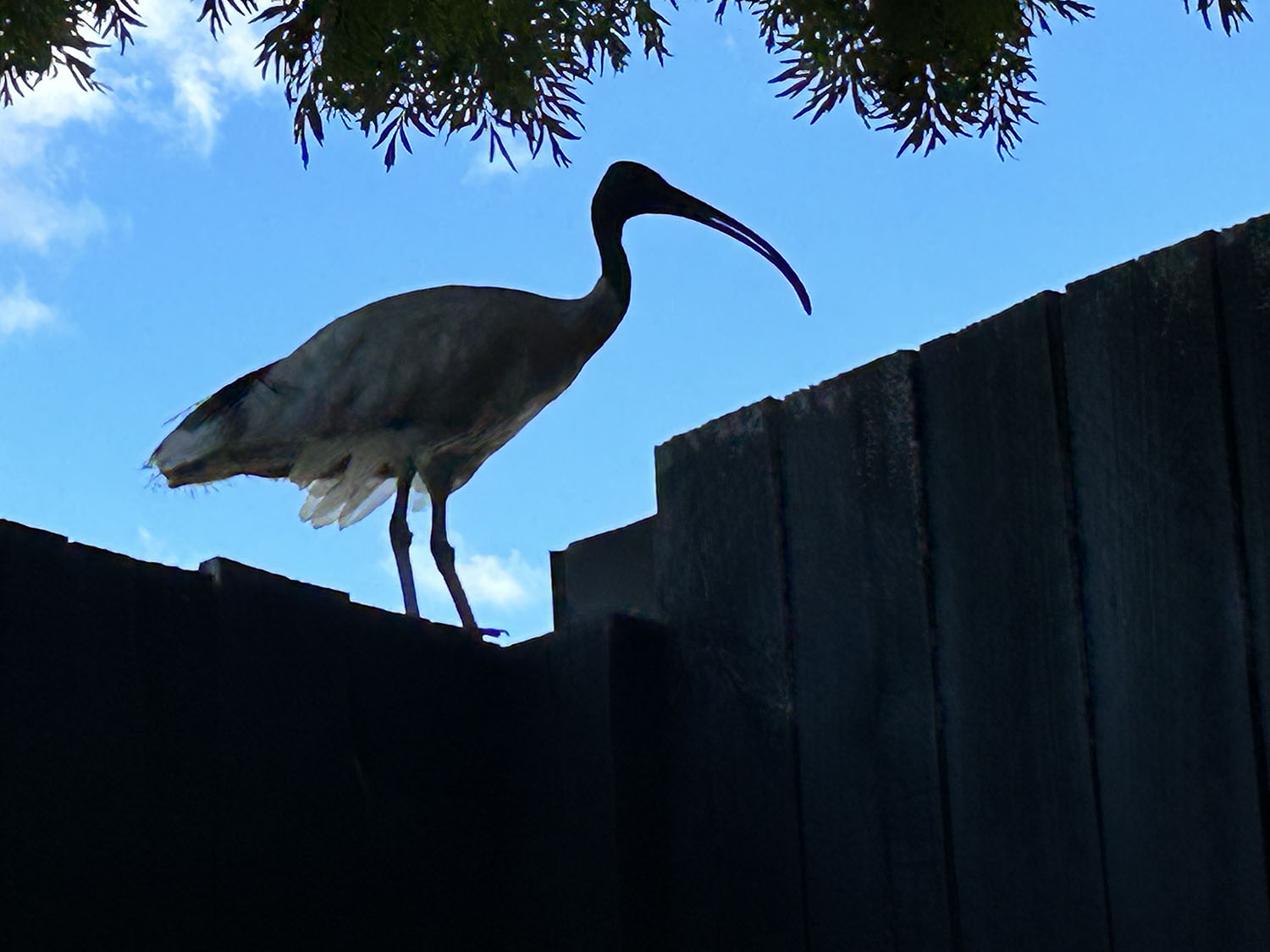
One fateful day in the spring of 2012, our dog Augie flushed a rabbit from the woods into the street where a collision with a hit-and-run taxi took him to the other side. A stranger in a pickup stopped to help me carry him off the road. A while later while improvising on a metal tongue drum, a syncopated fabric of chimes emerged like a shroud being lifted. I found myself making a high dog calling whistle. When I’m lost, not knowing where to go with a song, I stop, and listen as if to “hear a way.” That idea and the mournful whistle became the song Bird Calls Dog.
Kentucky writer and farmer, Wendell Berry, writes poems on Sundays he calls Sabbaths. In his book Leavings, a 2008 poem starts with “a man is walking in a field.” I imagined this man lost in a work-a-day stroll whistling with a tune subliminally breezing through his teeth. Out of nowhere, he’s taken aback by the impossible beauty of the purple spring violets at his feet. The song is an expression of unexpected ecstasy called Violets.
While birding with my wife just west of town at Cedar Bluffs, you can train your binocs up walls of rock bursting with spring wildflowers then shift your gaze to migrating warblers in the tops of trees. We mused how flowers became “blooming birds” and birds became “flying flowers.” This was the prompt for the Wild Spring round. Cedar Bluffs is a magical place where an underground stream surfaces in a stone grotto when the water table rises in the spring. Our children took dips in its pools. It’s also where my parents’ plummeting ashes found their way to the ground, and where a leaning oak became, over the years, a long mossy mound on the forest floor. The round fades and eddies out on the last line about the bobolink whose numbers are falling due to habitat loss, then whispers into Nightfall, an anthem to leaving.
Thirty years ago, the Psalm of Solstice was the opening song of my first venture blending hymn poetry with the transparent texture of voice and pitched percussion in a ceremony of songs called Hymnody of Earth. Back then, I had the “psalm” lyrics I wrote translated into Latin to imbue the song with the religious mystery of an ancient language sung in a huge cathedral. Here in this rewritten Dark Sky Solstice there’s no need for that imposed aura. There is wonder enough looking up at a clear dark sky, with the traveling light of stars that may no longer even exist.

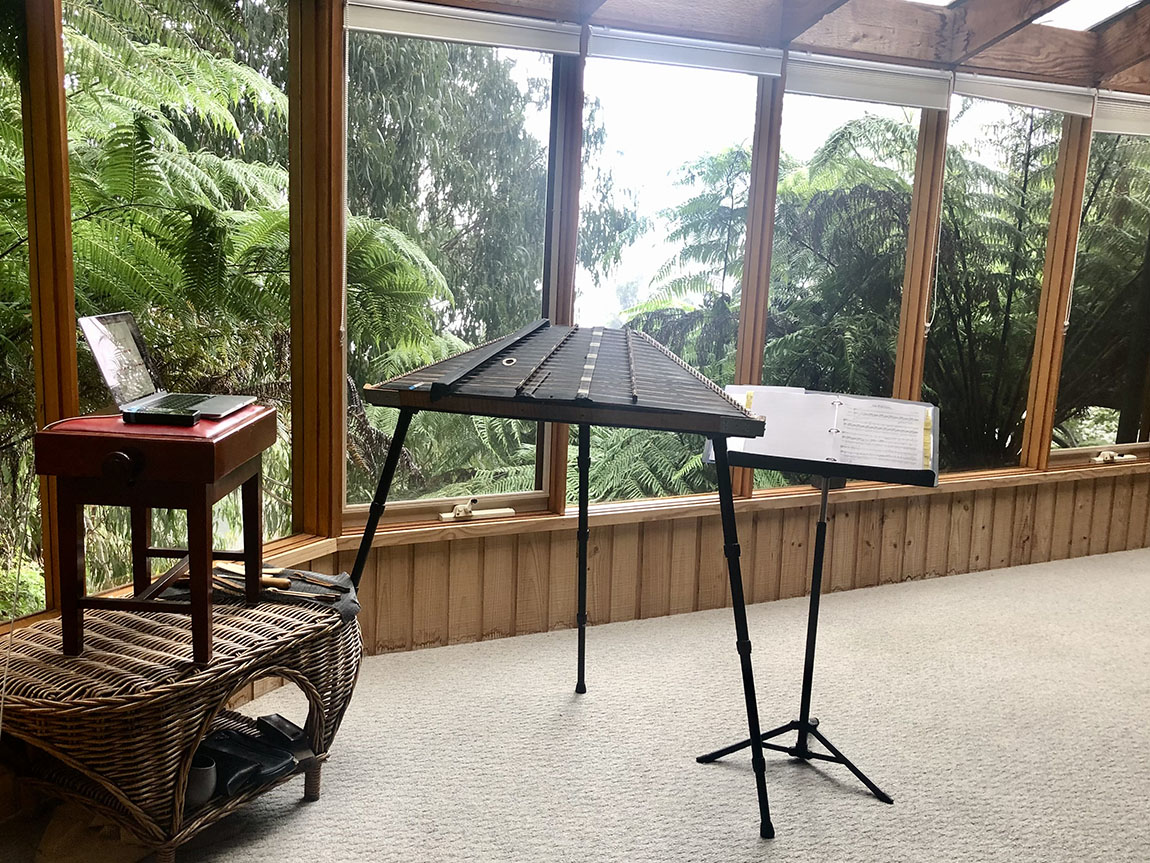
Half of each day on our planet is in darkness but we’ve been led to fear it, extinguish it and equate it with evil. Wendell Berry’s poem To Know the Dark explores the true nature of darkness.
My wife, Judy Klein, found the old Celtic melody I used for Moonbow Lullaby in a Pittsburgh public library. She taught it to me on my first self-built dulcimer years ago, after we’d just met. The dulcimer’s many sustained voices brought forth a sweet lullaby with its connections of mother, newborn and moon. I once saw a moonbow in a Yosemite waterfall at night, a pale reflection of reflected light. Like the moon, the eyes of a newborn are both familiar and other worldly.
Mothering Air has its title from Gerard Manley Hopkins’ phrase “world-mothering air.” I thought of the mothering air of trees. One of the most breathtaking and breath-giving experiences we have as humans is our symbiotic connection to trees. The carbon dioxide we exhale is used by trees to create the oxygen we inhale. That cyclical exchange became the entry to this song.
Blossom into the Night merges the wild modality of a Georgian walking song melody (Erti Gleki) with a lyric exploring the wonders of night time. The title is derived from the words of a terminally ill man. In his last hours, John Shields held his own Irish wake as a way to say goodbye to his family and friends. He whispered, “When we blossom forth into the night, what do we hear?” (5/25/17 New York Times)
Canopy opens with a processional down a dirt road to my singing camp’s rehearsal circle in an aspen grove. The exuberant chorus bounced our voices off rock walls of the eastern Sierra. An aspen grove is actually one organism. The individual “trees” share an ancient root system that is often thousands of years old, even though its “tree shoots” have an average life span of only 100-200 years. The elderly grove under which we sang had non-competing, shimmering leaf clusters forming a mosaic in the sky. All good metaphors for group singing!
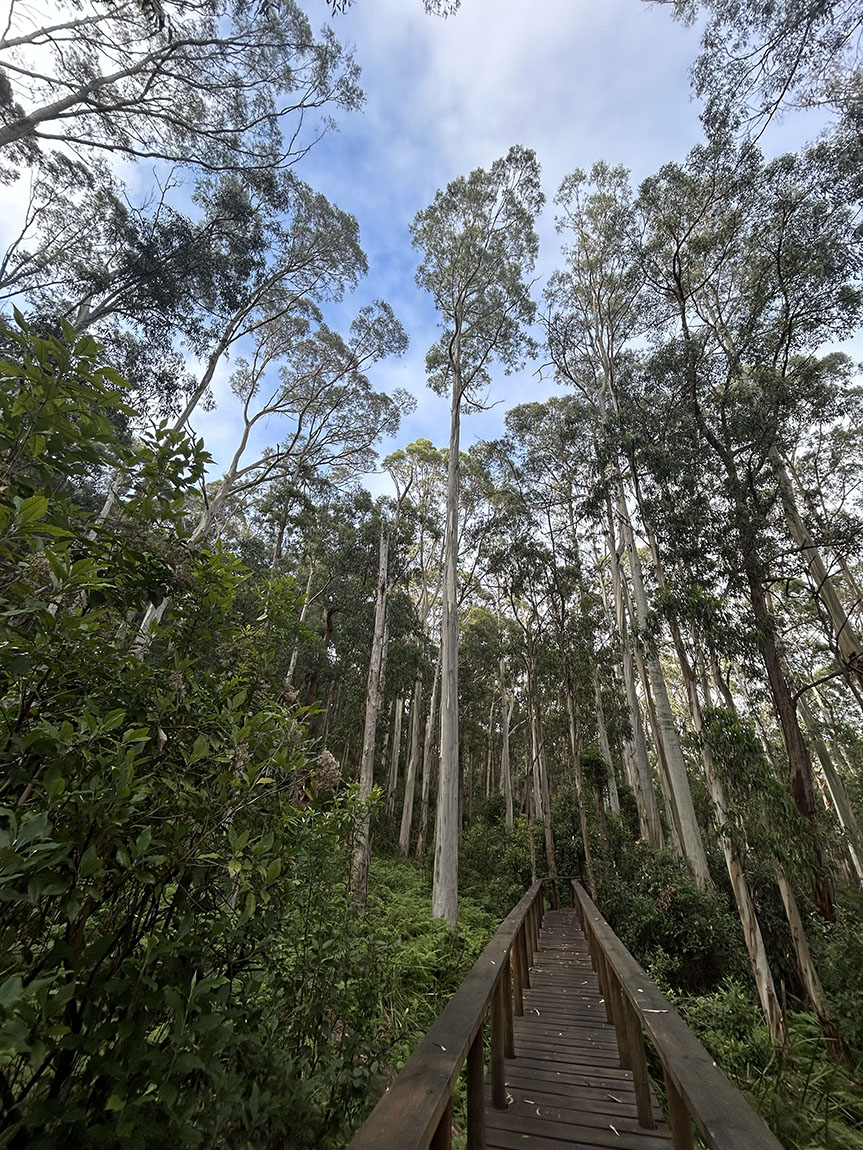

Hm Bidi Dejebegan began as a “hand dance” in its native meter: five. Thumb goes down heavy on one, the pinky lifts up on five, and the thumb comes down again. Then came some mouth dance syllables that vocalized how and where the music wanted to go. The song starts with a call and response episode and then the music falls in love, adds another beat, starts waltzing amongst the massive columns of percussion, and in the end, circles them as though they are massive majestic maypoles. Alta Collective’s artistry shines throughout this recording but is especially apparent in the sublime pleasure they bring to this song.
Suddenly it’s winter. I found a demo I made 22 years ago, singing all SATB voices for Toledo’s Masterworks Chorale in which I set two 6th graders’ winter poems to music. Beat poet aficionado Spencer Trumm pulled off a very visceral winter poem I renamed Snowball. Thing about a good snowball fight is… everybody wins! You can dive head first into a big snowdrift and live! You’re immortal! You come in from the cold and reflect around a fire that “a magical other worldly incident can happen!”

The soprano solo on Jessica Mondragon’s wistful poem, renamed This March, became an alchemy blending my then 50-year-old falsetto with my daughter Naomi Dalglish’s now 44-year-old voice, cell phoned in! Carolyn Koebel then adds chilling percussive effects to Dave Weber’s magical time-machine mix of The Way Snow Fell. Then “angels come down and put glitter so the snow will shimmer.”
The CD’s cover photo depicts the slender sky-reaching mountain ash trees at the top of the mountain where our Amarant recording sessions took place. These sessions were always both malleable and mercurial. Water Under Ice,originally an a capella song, underwent a studio shape-change with Alice Hurwood’s cello replacing lower voices. Her free and crystalline delivery of the text as an air floating over droning harmonics dramatically evokes the frozen landscape of the song. Ciara McCoppin’s violin and voice then enter, followed by Alta’s high and dreamy bridge that lands on a coda where angels come down again.


Lily Hamburger and John Selby introduced me to a poem they wanted set as a song for their wedding. William Radice’s translation of Bengali poet Rabindranath Tagore’s Unending Love underwent some reshuffling of excerpts to fit this intimate and infinite celebration of “Love of all days, past and forever” with a boisterous refrain that flies out into the tree tops. The dulcimer-influenced piano part arranged by Joshua Kartes and played by Ray Fellman found an open modality found in Persian Santoor music. This necklace of notes all underlaid by Carolyn Koebel’s celebrational percussion became the Necklace of Songs.
Over thirty years ago, the closing song of Hymnody of Earth was Hosanna, a biblical Latin word meaning “savior.” For this version of the song, I left the grandeur in the music, but rewrote the meaning of the song in simple plain English. I then renamed the song Hymnody of Earth.
Famed Hoosier writer Kurt Vonnegut was inspired to rewrite the traditional Latin mass for the dead as set forth by Pope Pius V in 1570. Vonnegut’s Requiem did not go on and on about the rewards and threats of heaven and hell, with its light and dark fabrications of the afterlife hidden behind what Vonnegut called the “hocus pocus laundromat of Latin.” He wrote a text that is both earthbound and merciful. Inadvertently, my counterpoint had his words “green and fertile” colliding with “eternal light” accidentally producing a very audible amalgam, “green turtle.” I liked it and kept it! I thank Bloomington, Indiana’s Voces Novae, directed by Sue Swaney, for commissioning me into this awesome project with seven other local composers setting Vonnegut’s Requiem to music. Grant Them Rest was one of my offerings. Mark O’Leary’s exquisite conducting brought forth the text as clouds of sound, floating free from their rests, finding silence in our vast earthly cathedral.

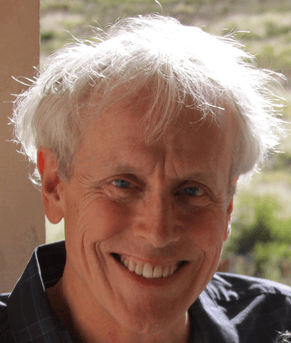
Malcolm Dalglish
Nov 11, 2024